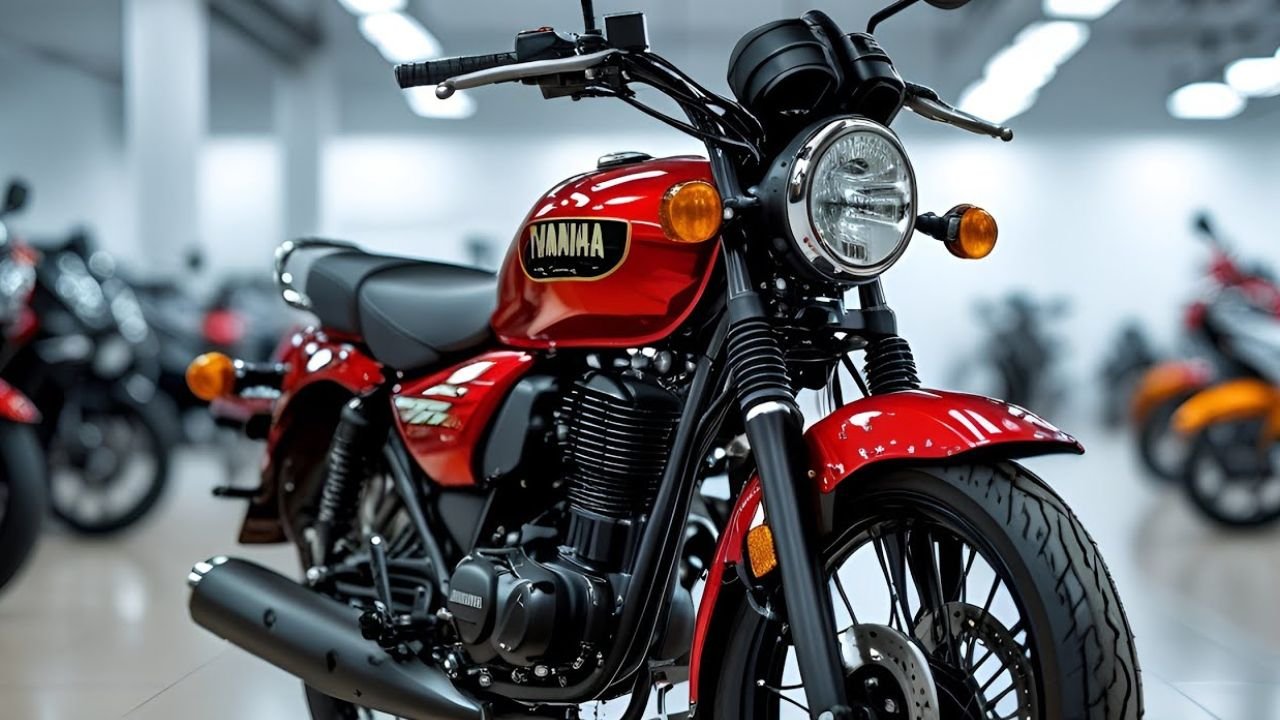

For Indian bike enthusiasts, few names bring as much nostalgia and excitement as the Yamaha RX100. This isn’t just another motorcycle — it’s a legacy on two wheels. First launched in the mid-1980s, the Yamaha RX100 became a dream machine for countless young riders, admired for its raw power, distinct exhaust note, and lightweight handling. And now, decades later, the legendary bike is returning in a new avatar — blending retro style with modern features and efficiency.
The RX100 has made its grand comeback, keeping the soul of the original alive while adding a fresh new look, upgraded performance, and an impressive 50 kmpl mileage. Let’s take a detailed look at why this classic icon continues to rule the hearts of Indian riders.
Yamaha RX100 – Key Highlights (2025 Edition)
| Feature | Details |
|---|---|
| Engine | 98cc, air-cooled, 2-stroke |
| Power | 11 HP (approx.) |
| Gearbox | 4-speed manual |
| Weight | Around 100 kg (lightweight) |
| Top Speed | 100 km/h (approx.) |
| Brakes | Front & rear drum brakes |
| Fuel Efficiency | 45–50 km/l |
| Suspension | Telescopic forks (front), Swingarm (rear) |
| Production Years | 1985–1996 (Discontinued) |
| Legacy | Cult classic loved for its raw performance and roaring sound |
The Legacy of the Yamaha RX100
When it first hit Indian roads in 1985, the RX100 instantly became a symbol of youth, energy, and freedom. Back then, most bikes focused on mileage and practicality. But Yamaha broke the norm — introducing a machine that was all about performance and thrill.
The RX100 had a small yet incredibly powerful 98cc two-stroke engine that produced around 11 HP. This made it one of the fastest bikes in its segment. Its aggressive pickup, throaty exhaust sound, and minimal weight made it an instant hit among college students and performance lovers alike.
In fact, the sound of the RX100 became its identity — a crisp, roaring tone that turned heads wherever it went. For many, that signature sound is pure nostalgia.
Why the Yamaha RX100 Was So Popular
There were multiple reasons behind the unmatched popularity of the RX100 in India. First and foremost, it offered an experience that no other 100cc bike could match. The instant throttle response, light handling, and quick acceleration made it a street performer.
It wasn’t just fast — it was stylish too. The simple, muscular design, chrome detailing, round headlamp, and flat seat gave the RX100 a classic yet sporty look. Its lightweight body — only around 100 kg — made it easy to control even for beginners.
Moreover, Yamaha built the RX100 with incredible durability. The engine was robust, the parts long-lasting, and the performance consistent. Riders could push it to its limits, and it still performed like a beast.

Also Read – KTM Electric Bicycle 2025 – Affordable, Powerful & Eco-Friendly Ride for the Future
Key Features of the Yamaha RX100
The RX100 wasn’t overloaded with fancy technology, yet it delivered more excitement than most modern bikes. Here’s what made it special:
- Powerful Two-Stroke Engine: The 98cc air-cooled engine offered instant power delivery, producing 11 HP — remarkable for its time.
- Smooth 4-Speed Gearbox: The transmission was simple yet precise, ensuring quick gear shifts and smooth acceleration.
- Lightweight Frame: Its sub-100 kg frame made the RX100 nimble and fun to ride, even in tight traffic.
- Telescopic Suspension: The front telescopic forks and rear swingarm setup provided a surprisingly comfortable ride.
- Classic Drum Brakes: Both front and rear drum brakes delivered reliable stopping power.
- Impressive Speed: The RX100 could touch nearly 100 km/h — quite a feat for a 100cc motorcycle in the 80s and 90s.
Even today, these features remind us that the Yamaha RX100 was far ahead of its time.
What Made the Yamaha RX100 a Cult Classic
Even decades after its discontinuation in 1996, the Yamaha RX100 remains one of the most loved and respected bikes in India. Its appeal goes far beyond performance — it represents an era of raw motorcycling joy.
Across cities and villages, enthusiasts continue to restore the Yamaha RX100, repainting and rebuilding it with original parts. Some even modify it into café racers or drag race machines. The bike’s simplicity and strong mechanical foundation make it ideal for customization.
Many professional riders and street racers still swear by the Yamaha RX100 for its explosive acceleration and lightweight design. Its two-stroke engine was capable of delivering instant torque, which gave it a unique edge on the racetrack.
This undying fanbase is proof that the Yamaha RX100 is not just a motorcycle — it’s a living legend.
The Return of the Yamaha RX100 – What to Expect
With rising nostalgia and demand, Yamaha has hinted at reviving the Yamaha RX100 for modern times. The new version is expected to carry the essence of the original while offering modern technology, better fuel efficiency, and a cleaner engine.


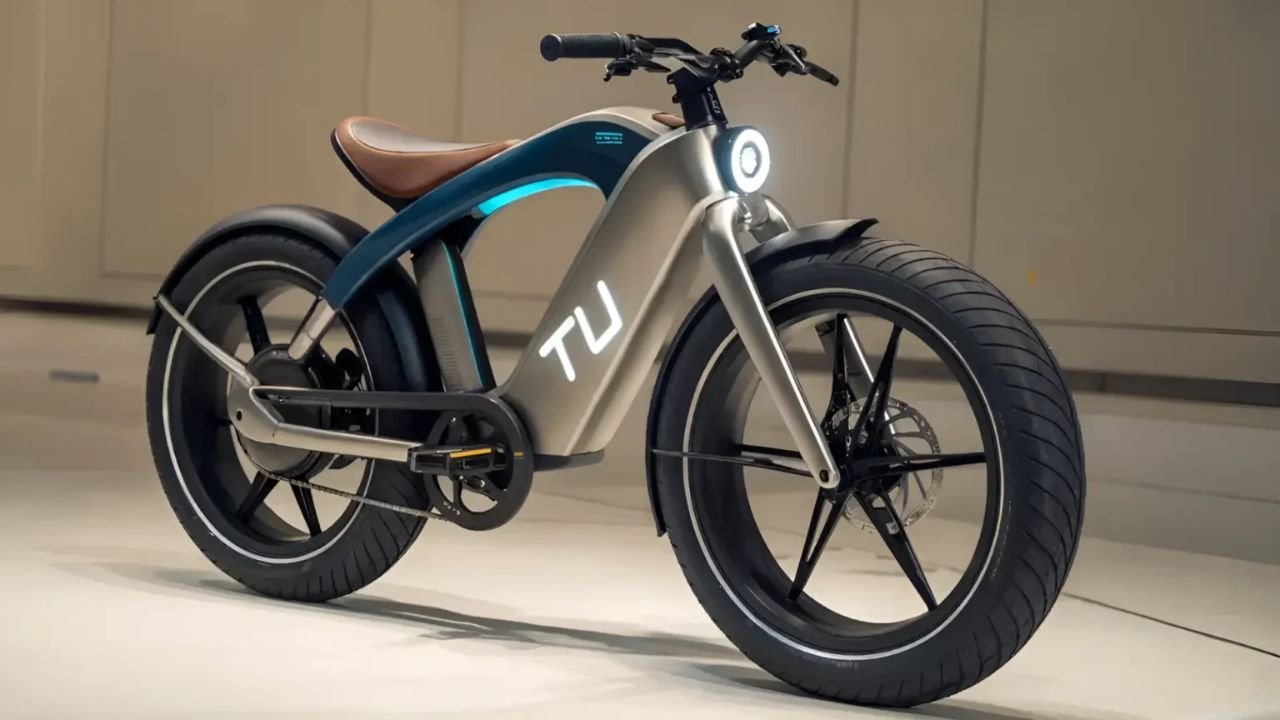
Reports suggest that the new Yamaha RX100 could feature:
- A 125cc or 150cc 4-stroke engine compliant with BS6 Phase 2 norms.
- A retro-inspired design with round LED headlamps, chrome accents, and digital-analog instrumentation.
- Dual-channel ABS, disc brakes, and modern suspension for better safety and handling.
- Mileage of around 50 km/l, maintaining the balance between performance and efficiency.
If launched, the Yamaha RX100 will likely compete with the Royal Enfield Hunter 350, TVS Ronin, and Bajaj Pulsar series in the neo-retro bike category.
Yamaha RX100 – Popularity Among the New Generation
Interestingly, the Yamaha RX100 isn’t just loved by those who owned it in the past. Even Gen-Z riders are fascinated by it. On social media platforms, videos of restored RX100s often go viral, attracting millions of views.
Young bikers are drawn to its vintage look, unmatched exhaust sound, and the emotional connection their parents had with it. The RX100 represents simplicity, authenticity, and pure motorcycling — things that many modern bikes often miss.
Yamaha’s move to bring it back shows how strong the RX100 legacy truly is.
FAQs About the Yamaha RX100
Q1. Why was the Yamaha RX100 discontinued?
The Yamaha RX100 was discontinued in 1996 due to stricter emission norms. Two-stroke engines produced higher pollution, forcing Yamaha to stop production.
Q2. Can I still buy a Yamaha RX100?
While new models aren’t available, many used Yamaha RX100 bikes can be found in good condition across India. Collectors often restore them.
Q3. What is the price of a used Yamaha RX100?
Depending on condition and modifications, a Yamaha RX100 can cost between ₹50,000 and ₹1.5 lakh. Rare models in mint condition fetch even higher prices.

Q4. Is the Yamaha RX100 good for daily use?
Yes, it can be used daily if well-maintained. However, finding original parts might be challenging, and mileage may not match modern 4-stroke bikes.
Q5. What makes the RX100 faster than other bikes of its era?
The Yamaha RX100’s two-stroke engine design delivered quicker power and torque, while its lightweight frame made it faster and more agile than rivals.
Conclusion – The Timeless Charm of Yamaha RX100
The Yamaha RX100 remains an everlasting symbol of power, pride, and performance. It was never just about commuting; it was about experiencing the thrill of open roads. Even decades later, its roar echoes in the hearts of millions of Indian riders.
As Yamaha prepares to revive this icon, one thing is certain — the Yamaha RX100 will once again rule the roads, reminding everyone what true motorcycling feels like.
If you ever get the chance to ride one, you’ll understand why it’s called “The Legend That Never Dies.”
Some Important Link
| Download News APP | Click Here |
| WhatsApp Group | Click Here |
| Home Page | Click Here |